
耶鲁大学博士后职位招聘–定量背景的实验生物物理学
We are looking for a postdoctoral researcher to join our team of computational biologists to model cell-to-cell heterogeneity in signaling and regulatory networks and its effect on cellular phenotypes. We develop machine learning methods that integrate mechanistic and biophysical models with -omics data to discover new biology. We are funded by the NIH Maximizing Investigator’s Research Award (MIRA).
The position offers a competitive salary (70,000$ per year) and generous benefits. We have allotted 5000$ per year discretionary funds, to be used towards expenses such as conference travel and equipment.
Your background:
Candidates with experience in modeling and analysis of -omics data using mechanistic and biophysical models are strongly preferred. We welcome experimental biophysicists with a quantitative background who are eager to learn computational and machine learning tools. Applications should include a statement detailing research experience, interest, and future plans. The applicant should also include a CV and contact details of at least two letter writers. Applications should be sent directly to Prof. Purushottam Dixit ([Please click the Apply button for the link or address]).
Research Focus:
A significant component of our research is in building machine learning tools that allow us to incorporate mechanistic models with high dimensional -omics data to gain a deeper knowledge of biological variability. Using those tools, we focus on understanding the biochemical origins of population heterogeneity in signaling networks and its effect on cellular phenotypes (Lyashenko, Niepel, Dixit, et al., eLife, 2020, Dixit et al. Cell Systems, 2020, Goetz et al, to appear in eLife, 2023).
With our industry collaborators at BiomEdit LLC, we are interested in modeling the effects of environmental perturbations on host-associated microbial ecosystems (Zhao et al. PLoS Comp. Bio., 2021, Plata et al. in review). We also have an experimental collaboration with the labs of Laurence Morel in the Department of Microbiology, Immunology, and Molecular Genetics at UT Health, San Antonio where we are investigating metabolism of T cells in the context of autoimmunity. There will be plenty of opportunities to collaborate with labs at Yale.
About the university:
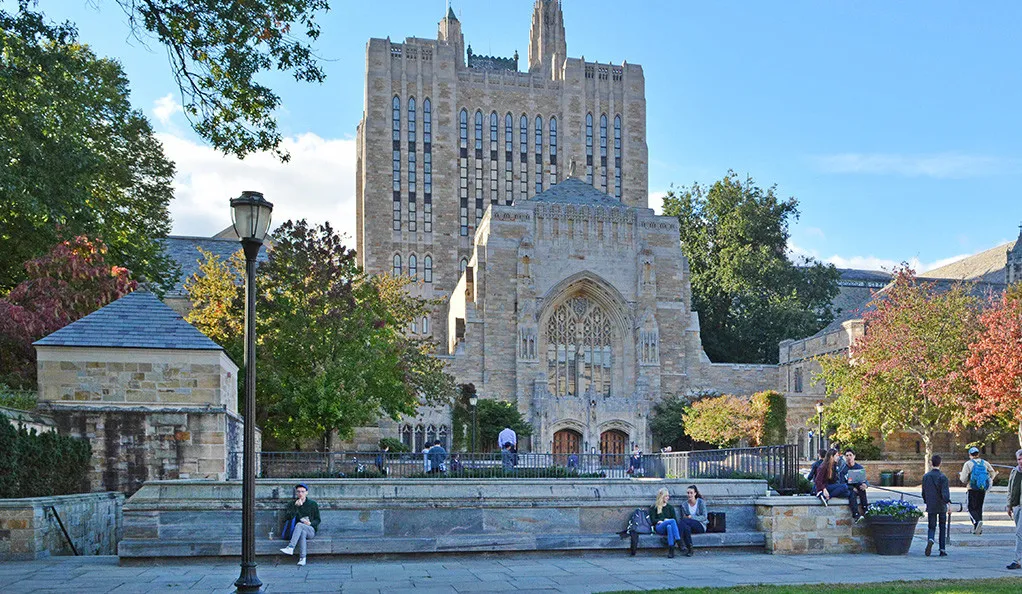
Yale boasts world class research programs in several scientific fields. Accessible via public transport from both New York and Boston, Yale is well connected with world class institutes in the northeast corridor. Our lab will be situated at the main campus and will have a presence at the Systems Biology Institute at the West Campus.
Group ethics:
Science is practiced by a community of individuals with diverse identities and is welcoming to everyone. We recognize the value in diversity, equity, and inclusion in all aspects of our research. This includes, but is not limited to differences in race, ethnicity, gender and sexual identity, age, socioeconomic status, religion, and disability. Science, like all human endeavors, is learned. We strive to foster an atmosphere of learning that is based on inclusion, transparency, and respect for all group members.